Showing 49–64 of 120 results
-
1mgHPLC99.305%
$282
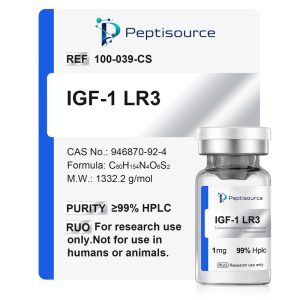
IGF-1 LR3 is a synthetic long-acting analog of insulin-like growth factor 1 (IGF-1). Through structural modification, the glutamic acid at position 3 is replaced with arginine, with an additional 13 amino acids at the N-terminus, forming an 83-amino acid active molecule. Compared to natural IGF-1 (70 amino acids), its half-life extends to 20-30 hours with approximately threefold increased potency. It binds weakly to IGF-binding proteins, strongly binds to the IGF-1 receptor, and activates the PI3K/Akt and MAPK pathways.
View COA (Certificate of Analysis)
-
BlendHPLC99.276%
$320
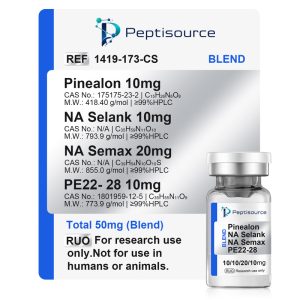
illumineuro (Pinealon/NA Selank/NA Seamx/PE22- 28) 50mgoffered by manufacturer Peptisource Co., Ltd.. Buy BAC Water 10ml directly with low price and high quality.
View COA (Certificate of Analysis)
-
10mgHPLC99.487%
$72
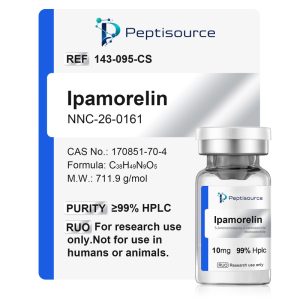
Ipamorelin is a synthetic pentapeptide compound belonging to the growth hormone secretagogue family. Its core function is to potently stimulate the release of growth hormone and promote the synthesis of insulin-like growth factor-1 (IGF-1), thereby playing a role in regulating metabolism, promoting tissue repair, and supporting growth. Clinical studies have demonstrated that Ipamorelin can accelerate gastric emptying, improve symptoms of postoperative ileus, and alleviate non-inflammatory visceral and somatic pain through the regulation of relevant physiological processes. Compared with traditional growth hormone secretagogues, Ipamorelin exhibits higher selectivity for growth hormone release and does not significantly affect the secretion of other hormones (such as adrenocorticotropic hormone and cortisol). These unique advantages endow it with potential applications in the treatment of growth hormone deficiency, gastrointestinal motility disorders, and pain management.
View COA (Certificate of Analysis)
-
10mgHPLC99.742%
$115
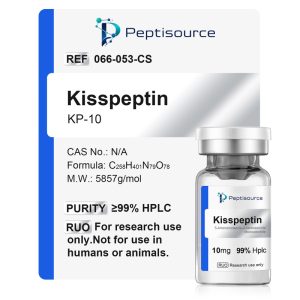
Kisspeptin is a hypothalamic neuropeptide encoded by the KISS1/Kiss1 gene. Formally identified as a peptide hormone in 2001, it is encoded by the KiSS-1 gene and can be hydrolyzed to produce amidated short peptides of varying lengths, such as Kisspeptin-54, Kisspeptin-14, Kisspeptin-13, and Kisspeptin-10, all of which have arginine and phenylalanine at their C-termini. The receptor for Kisspeptin is KissR, also known as GPR54, a G protein-coupled receptor. Kisspeptin and its receptor are distributed in the brain and multiple tissues and organs.
View COA (Certificate of Analysis)
-
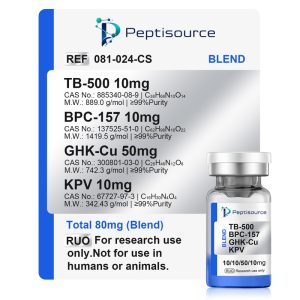
-
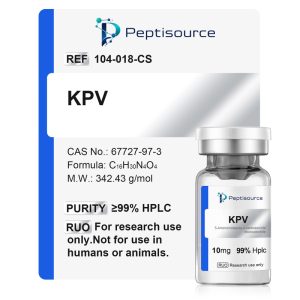
10mgHPLC99.404%
$62
KPV is a natural peptide segment with multiple biological activities. It performs remarkably well in the field of anti-inflammation. By regulating the immune response, it alleviates inflammation, which is of great significance for the treatment of diseases such as inflammatory bowel disease. Meanwhile, KPV has antibacterial effects against pathogens such as Staphylococcus aureus and Candida albicans, helping to reduce infections. In addition, it can accelerate wound healing, promote tissue repair, and improve skin health in the field of cosmetology. KPV has excellent water solubility and biocompatibility. It will not trigger an immune response, and can be naturally degraded by the action of enzymes in the body, ensuring a high level of safety. Its multifunctionality endows it with broad application prospects in multiple fields, including medicine, cosmetology, and biomaterials.
View COA (Certificate of Analysis)
-
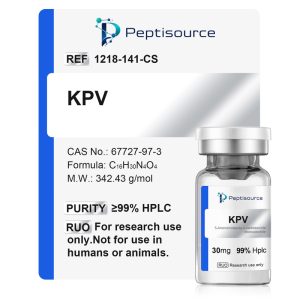
30mgHPLC99.589%
$175
KPV is a natural peptide segment with multiple biological activities. It performs remarkably well in the field of anti-inflammation. By regulating the immune response, it alleviates inflammation, which is of great significance for the treatment of diseases such as inflammatory bowel disease. Meanwhile, KPV has antibacterial effects against pathogens such as Staphylococcus aureus and Candida albicans, helping to reduce infections. In addition, it can accelerate wound healing, promote tissue repair, and improve skin health in the field of cosmetology. KPV has excellent water solubility and biocompatibility. It will not trigger an immune response, and can be naturally degraded by the action of enzymes in the body, ensuring a high level of safety. Its multifunctionality endows it with broad application prospects in multiple fields, including medicine, cosmetology, and biomaterials.
View COA (Certificate of Analysis)
-
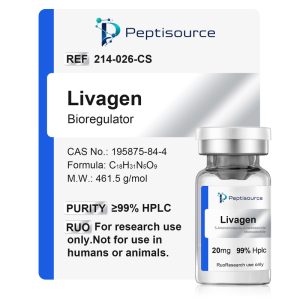
20mgHPLC99.4%
$130
Livagen is a short peptide composed of a specific amino acid sequence, which is believed to play a role in cellular processes and metabolic regulation. It is a peptide bioregulator that can affect gene expression and protein synthesis.
View COA (Certificate of Analysis)
-
-
10mgHPLC99.215%
$210
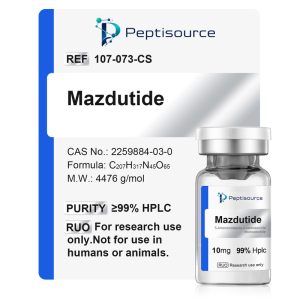
Mazdutide is a novel long-acting dual agonist of the glucagon-like peptide-1 receptor (GLP-1R) and the glucagon receptor (GCGR), offering diverse mechanisms of action and significant therapeutic efficacy. On one hand, by activating GLP-1R, it promotes insulin secretion and inhibits glucagon release in a glucose-dependent manner, while slowing gastric emptying and reducing appetite, thus efficiently regulating blood glucose levels. On the other hand, GCGR activation accelerates lipolysis, enhances energy expenditure, and reduces hepatic fat accumulation, leading to prominent effects in weight management. Beyond these, Mazdutide also plays a positive role in improving hyperuricemia, regulating blood pressure, and maintaining cardiovascular health, providing a promising new option for the treatment of type 2 diabetes, obesity, and related metabolic disorders.
View COA (Certificate of Analysis)
-
10mg
$81
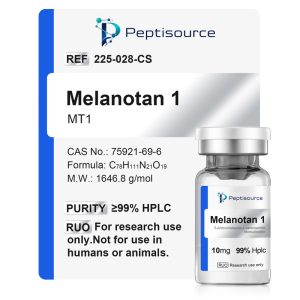
Melanotan-1 is a synthetic peptide compound. Its chemical structure is similar to that of the human natural hormone α-melanocyte-stimulating hormone (α-MSH), and it mainly exerts its effects through subcutaneous injection.Its core mechanism is to mimic the function of α-MSH, activate the melanocytes in the skin, and promote the production and distribution of melanin, thereby darkening the skin color and achieving the effect of artificial tanning. This effect is believed to enhance the skin's natural protection against ultraviolet rays and reduce the damage to the skin caused by direct sunlight.As a non-specific melanocortin receptor agonist, Melanotan-1 may have a wide range of effects by influencing various physiological processes, including regulating skin pigmentation and potentially improving symptoms related to photosensitivity.
View COA (Certificate of Analysis)
-
10mgHPLC99.749%
$81
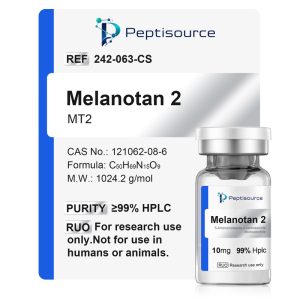
Melanota is a synthetic anabolic peptide that accelerates the tanning process by stimulating melanocytes to produce melanin, enabling the skin to achieve a darker complexion in a short time—even with minimal UV exposure. It helps reduce UV-induced skin damage, lowering risks of skin cancer and sunburn. Additionally, Melanota interacts with appetite-regulating melanocortin receptors to suppress hunger, aiding weight control. It also shows potential in stimulating male erections and libido, as well as enhancing female sexual desire in clinical contexts, offering a novel solution for sexual dysfunction. This peptide provides fair-skinned individuals with a safer, more effective tanning method while presenting new therapeutic approaches for low libido or erectile dysfunction in both sexes. It may also strengthen the skin’s natural defense mechanisms against UV-induced damage, protecting long-term skin health.
View COA (Certificate of Analysis)
-
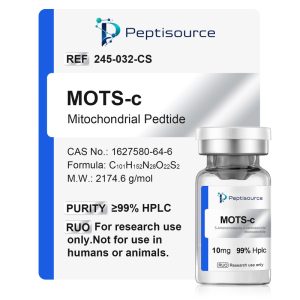
-
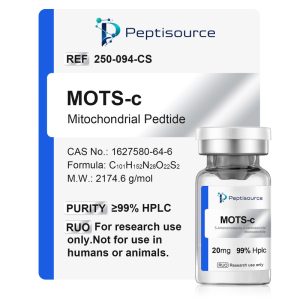
20mgHPLC99.483%
$163
MOTS-c is a mitochondrial-derived peptide encoded by the 12S rRNA region of mitochondrial DNA, consisting of 16 amino acids. As a mitochondrial retrograde signal, MOTS-c can translocate to the cell nucleus under conditions such as metabolic stress, regulating the expression of a series of genes associated with metabolic dysfunction. It is widely distributed in various organ tissues such as the kidneys, heart muscle, and skeletal muscle, and is also present in plasma. It can cross the blood-brain barrier and regulate cellular energy balance, glucose, and lipid metabolism by activating the AMPK pathway, playing a crucial role in maintaining metabolic health. It has effects in improving insulin resistance, preventing type 2 diabetes, regulating fat metabolism, and protecting cardiovascular and neural health.
View COA (Certificate of Analysis)
-
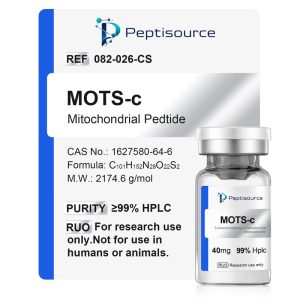
40mgHPLC99.028%
$306
MOTS-c is a mitochondrial-derived peptide. It is translated from the C-terminal region of mitochondrial 12S rRNA and contains 11–16 amino acids. As a retrograde mitochondrial signal, MOTS-c participates in regulating mitochondrial dynamics and exhibits multiple biological activities, including modulation of insulin sensitivity, metabolic homeostasis, and immunity.
View COA (Certificate of Analysis)
-
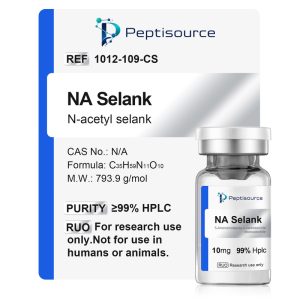
10mgHPLC99.860%
$50
NA Selank is the deamidated structure of Selank, primarily associated with the GABAergic system and neuropeptide signaling. Its effects are concentrated in mood regulation and maintenance of neural homeostasis. By influencing neurotransmitter balance and central regulatory pathways, its mechanisms hold significant importance in neurobehavioral, stress response, and neuromodulation research.
View COA (Certificate of Analysis)